
Social-Emotional Skills Therapy for Kids and Teens in Denver, Ages 5–16
Social-emotional skills therapy for kids and teens to build friendships and emotional regulation. In-person or virtual.

Some kids can effortlessly read a room without consciously thinking about it.
Others need to learn it, piece by piece, and that's not a flaw, it's a skill they can build. Social-emotional skills therapy at Bloomwell Family Therapy helps children and teens understand their own feelings and other people's, so friendships, disappointment, and everyday social moments feel less overwhelming. Sessions are available in-person in Denver or virtual anywhere in Colorado.
Who This Is For
Social-emotional skills therapy tends to be a good fit if you're noticing:
Trouble making friends, or keeping the ones your child makes
Big reactions to small disappointments or a simple "no"
Difficulty reading how other kids are feeling
Meltdowns after school that seem to come out of nowhere
Trouble sharing, taking turns, or handling losing a game
This is a fit for children and teens ages 5 to 16 who want connection but struggle to build or maintain it.
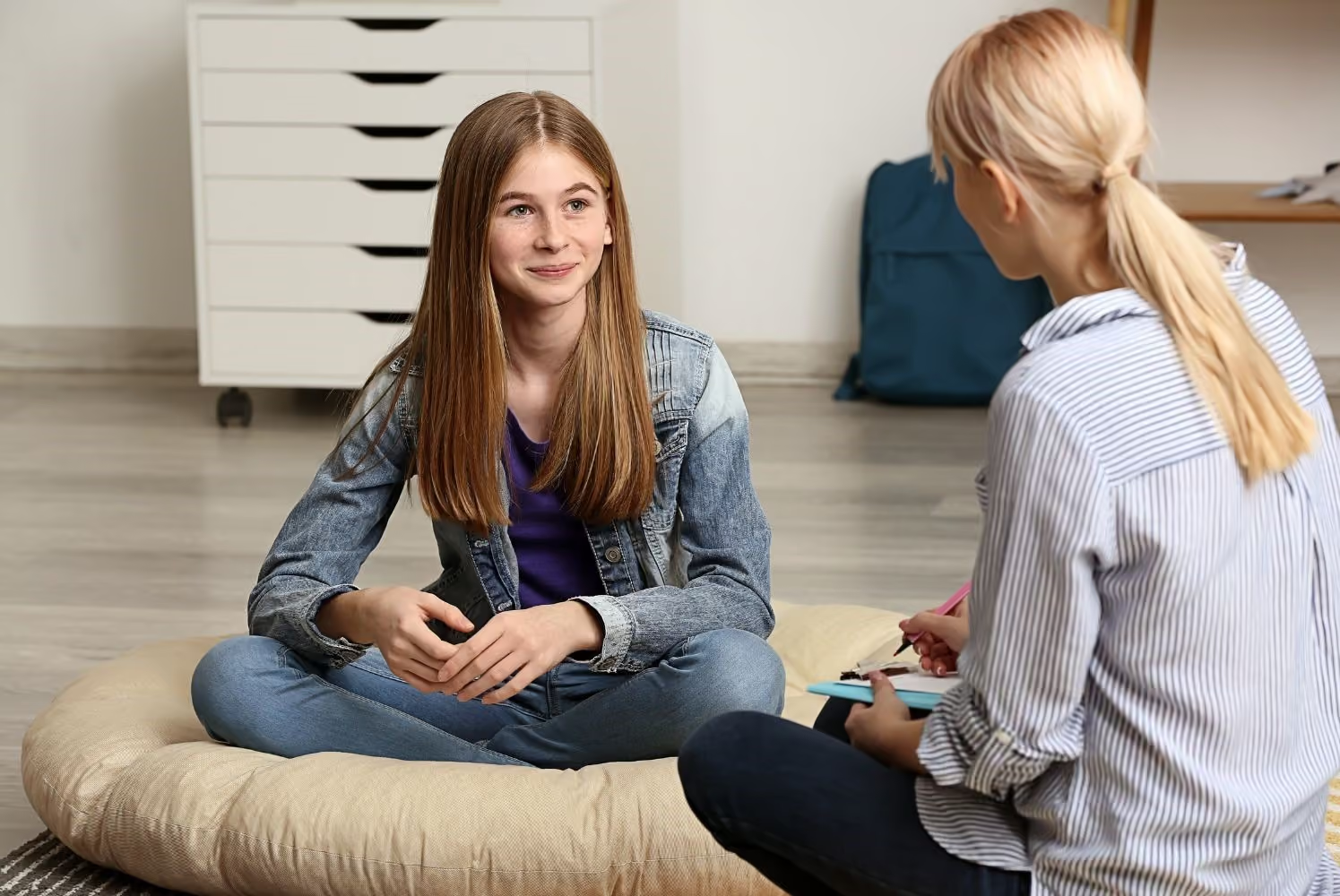

Benefits of Social-Emotional Skills Therapy
This work focuses on helping your child understand their own emotions and other people's, through real, usable practice rather than lectures about "being nice." Families tend to see:
A kid who can name their own feelings, and start noticing others'
Fewer after-school meltdowns
More confidence trying new social situations
Friendships that last longer than a few weeks
Better handling of "no," losing, or disappointment
Less isolation, more willingness to engage with peers
These are patterns families report, not guarantees. Every child builds these skills at their own pace.
FAQs
It's possible, and it's something we can talk through together. If a fuller evaluation seems useful, I'll point you toward the right resource.
Not at all. Wanting connection and feeling too anxious or unsure to pursue it can coexist. That tension is often exactly where this work starts.
Behavioral therapy often focuses on rules and consequences. Social-emotional skills therapy focuses specifically on how your child relates to and understands other people.
No, but we'll build skills your child can bring into those relationships, and coordinate with school staff when that's useful.
You don't have to keep guessing.
If something feels off with your kid, or with how things feel at home, let's talk about it. No pressure, just a conversation.