Why Your Kid Dreads the Things Other Kids Get Excited About

Other kids hear "birthday party" and light up. Yours hears it and asks if they really have to go. You've probably told yourself they're just shy. Maybe they are. Or maybe there's something more going on, and it's worth knowing the difference.
Shy Is Not the Same as Socially Anxious
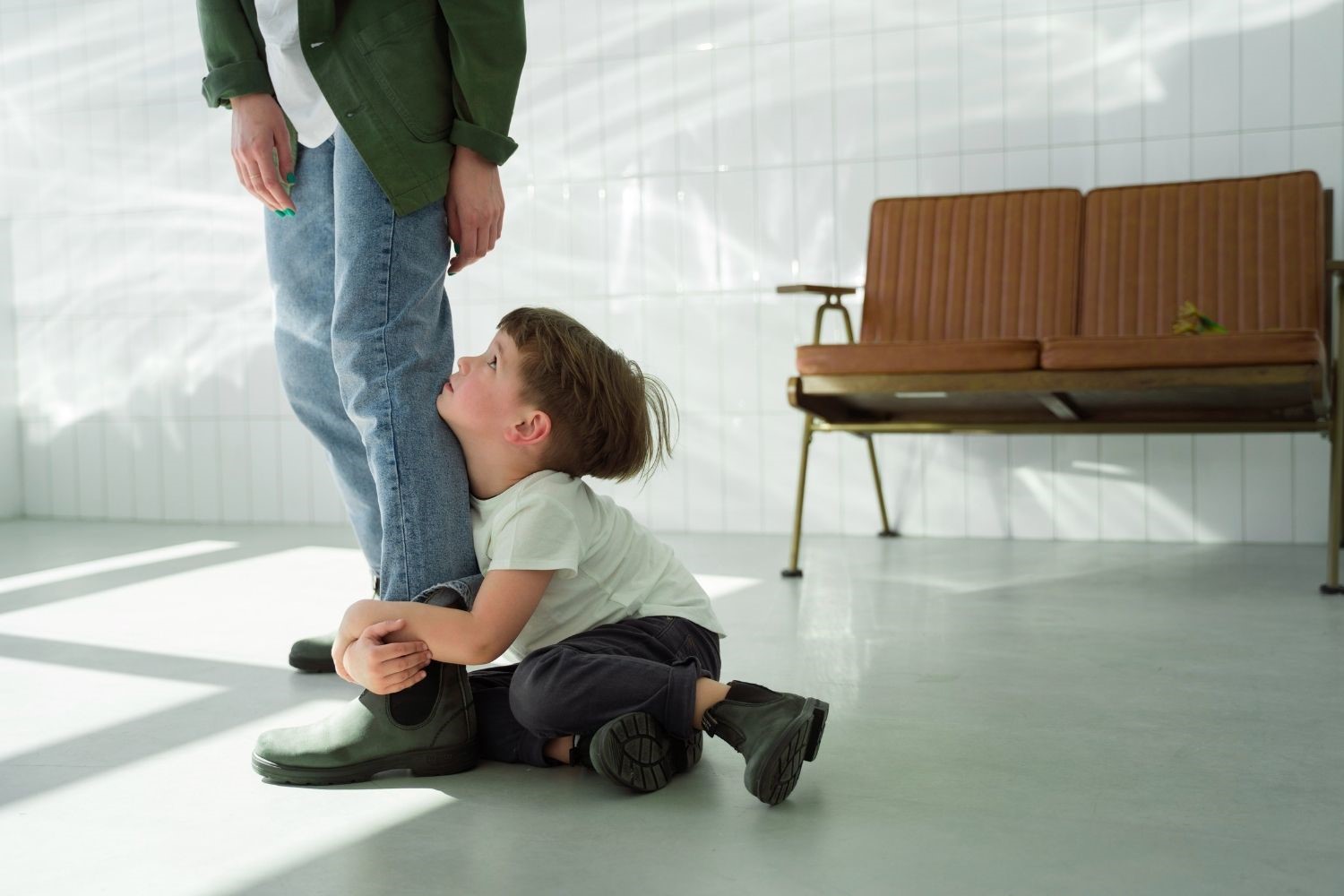
Shyness usually looks like warming up slowly. A shy kid might hang back at first, then relax once they know the room. Social anxiety looks different. It's not slow warming, it's real fear, of being watched, judged, or embarrassed in front of other people. A socially anxious kid might avoid the party altogether, or go and spend the whole time near you instead of the other kids, watching the clock until it's time to leave.
Shy kids are usually fine once they're in it. Socially anxious kids often stay uncomfortable the whole time, even somewhere they technically wanted to go.
What Social Anxiety Can Look Like Day to Day
It doesn't always look like a kid hiding in a corner. Sometimes it looks like:
- Stomachaches or headaches before school events, parties, or presentations
- Refusing to answer the phone, order their own food, or talk to a cashier
- Practicing what they're going to say before a simple conversation
- Avoiding raising their hand, even when they know the answer
- Meltdowns before anything social, that seem to come out of nowhere
- Saying "I don't want to go" about things they've told you before that they actually wanted to do
That last one trips a lot of parents up. It's confusing to watch your kid want something and dread it at the same time. That contradiction isn't your child being difficult. It's what anxiety does.
Why "Just Put Yourself Out There" Doesn't Work
It's tempting to push a socially anxious kid into more social situations, thinking exposure will toughen them up. Sometimes that backfires, and it can teach your child that their fear was right to be there in the first place, especially if they get pushed into something before they're ready and it goes badly.
What actually helps is more gradual: small, manageable steps into social situations, with support, at a pace that builds confidence instead of overwhelming it.
What Helps at Home
- Validate the fear without reinforcing avoidance. "I know this feels scary" is different from "you don't have to go."
- Practice specific, small scripts for hard moments, like ordering food or greeting someone.
- Notice and name small wins, even ones that seem tiny to you. Saying hi to one kid at recess is a real step.
- Avoid labeling your child as "shy" in front of others. It can quietly reinforce the identity, even when you mean it kindly.
- Resist swooping in to speak for them every time. It's tempting, but it removes the chance to practice.
When It's More Than a Personality Trait
Every kid has some social discomfort at times. It's worth a closer look if the anxiety is stopping your child from doing things they actually want to do, if it's been going on for months, or if it's starting to affect friendships or school participation. Social anxiety tends to get more entrenched the longer it goes unaddressed, and it responds well to support, especially caught early.
You Know Your Kid Better Than the Party Invite Does
If your child begs to go to the party and then dreads it once it's on the calendar, that's not a contradiction you need to solve on your own. It's a pattern worth understanding, together.
If social situations feel harder for your kid than they should, let's talk about it.