Your Kid Isn't Overreacting to the Change. They're Still Finding Their Footing.

Something big happened in your family. Maybe it was a divorce. Maybe you moved, and your child had to leave the only school, house, and friends they've ever known. Maybe there's a new baby in the house, or you lost someone your child loved. Whatever it was, you're probably watching your kid react to it in ways that don't quite match what you expected, and wondering if what you're seeing is normal, or something you should be more worried about.
Here's the thing about big life changes and kids: the reaction rarely lines up neatly with the size of the event, at least not on the outside. A move across town can hit a sensitive kid just as hard as a move across the country. A new sibling can unravel a previously easygoing five-year-old. And sometimes the reaction doesn't show up right away. It shows up weeks later, in ways that don't look connected at all.
Why Kids React to Change Differently Than Adults Do
Adults tend to process change with context. We can tell ourselves the story: this is temporary, this will get better, I've been through hard things before. Kids don't have that same bank of experience to draw from yet. A change that feels manageable to you might be the biggest thing that has ever happened to them, because in their world, it is.
Kids also don't always have the words for what they're feeling, especially younger kids. So instead of saying "I'm scared things are different now" or "I miss how things used to be," it often comes out as behavior instead. A kid who was easygoing before might suddenly be defiant. A great sleeper might start waking up at 2am. A confident kid might start needing help with things they used to do independently.
This isn't your child being dramatic or difficult. It's what unprocessed change often looks like when it doesn't have language yet.
What This Can Look Like, By the Type of Change
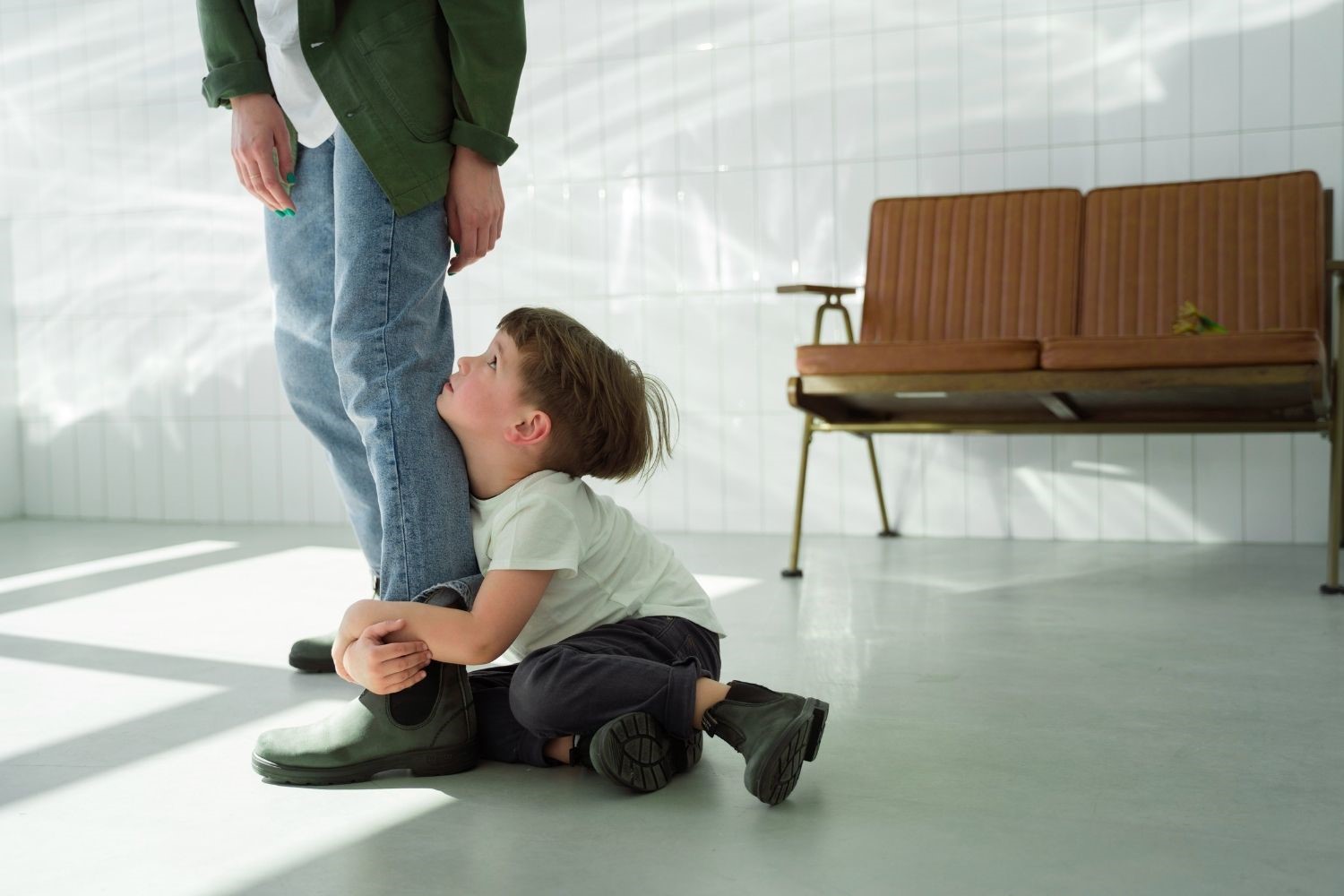
Divorce or separation Kids often worry about things parents don't expect, like whether they caused it, whether both parents still love them, or what happens to holidays and routines. Younger kids may regress in small ways, potty training setbacks, more clinginess. Older kids and teens may become quieter, more irritable, or start testing boundaries at both households.
A move Even a move your child was excited about can bring grief underneath the surface, for the friends, the room, the routine they left behind. Watch for a dip in mood or behavior a few weeks after the move, once the newness wears off and the loss becomes more real.
A new sibling This one catches a lot of parents off guard, because it's supposed to be a happy change. Even kids who wanted a sibling can struggle once the baby is actually here and attention has genuinely shifted. Regression is extremely common here too, wanting a bottle, wanting to be carried, wanting things they'd outgrown.
Loss or grief Kids grieve differently than adults, often in bursts rather than one continuous wave. A child might seem fine, then suddenly ask a question about the person who died in the middle of an unrelated moment, days or weeks later. This isn't a sign they weren't actually grieving before. It's just how grief tends to move through kids.
What Actually Helps
Name it, simply, even if they don't ask. You don't need a perfect script. Something like "things have felt really different since the move, huh" gives your child permission to feel what they're feeling, without you needing to have the answer.
Expect some regression, and don't panic about it. A step backward after a big change is common and usually temporary. It's not a sign you're doing something wrong, and it's not usually a sign of a bigger problem on its own.
Keep as much routine as you can. In the middle of a big external change, predictable small things, dinner time, bedtime, a Saturday morning ritual, give your child something steady to hold onto while everything else is shifting.
Watch for the delayed reaction. Don't assume that because your child seemed okay right after the change, they're in the clear. Sometimes the harder stretch comes weeks later, once the adrenaline of the change itself wears off.
Let them ask the same question more than once. Kids often need to hear the same reassurance repeatedly while they're processing something big. That's not a sign they didn't understand you the first time. It's how they're working through it.
When to Get Extra Support
Most kids adjust to big changes with time, patience, and a steady adult presence. It's worth reaching out for extra support if:
- The behavior changes are intense, or getting worse instead of better after a few months
- Your child seems stuck, unable to talk about or engage with the change at all
- School performance or friendships are being affected
- You're noticing signs of ongoing anxiety, sadness, or anger that don't seem to be easing
- You're navigating something complicated, like a high-conflict separation, and want support figuring out how to talk to your child about it
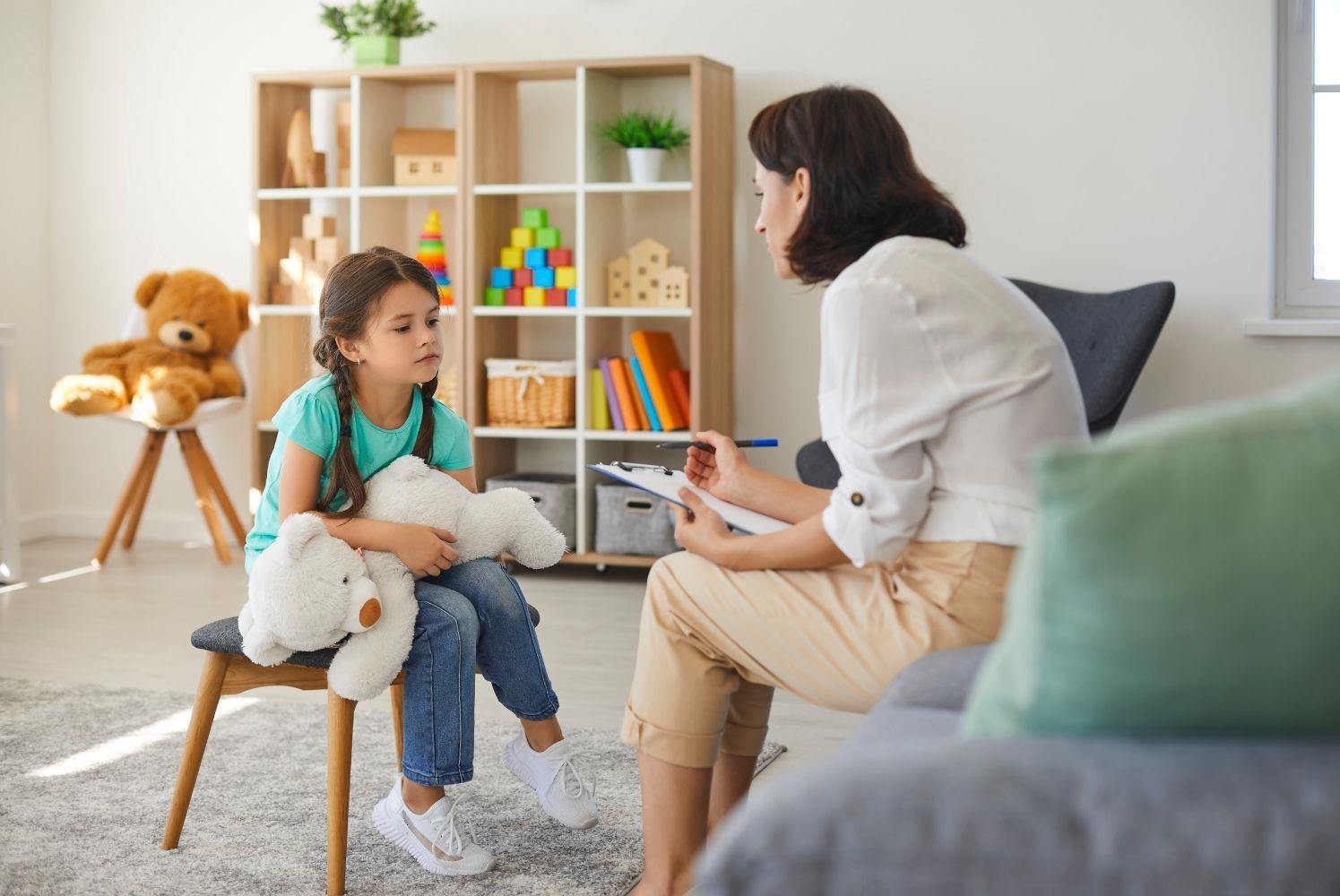
You don't have to wait until things feel like a crisis. Sometimes a few sessions focused specifically on the transition can help your child (and you) find solid ground faster than waiting it out alone.
You're Not Failing Because This Is Hard
If you're reading this because your family is in the middle of a big change right now, know this: the fact that it's hard for your kid doesn't mean you handled it wrong. Change is hard for kids, even good change, even necessary change. What matters most isn't preventing the hard feelings. It's helping your child move through them, with you steady beside them.
Going through a big change as a family? Let's talk about how to support your child through it.